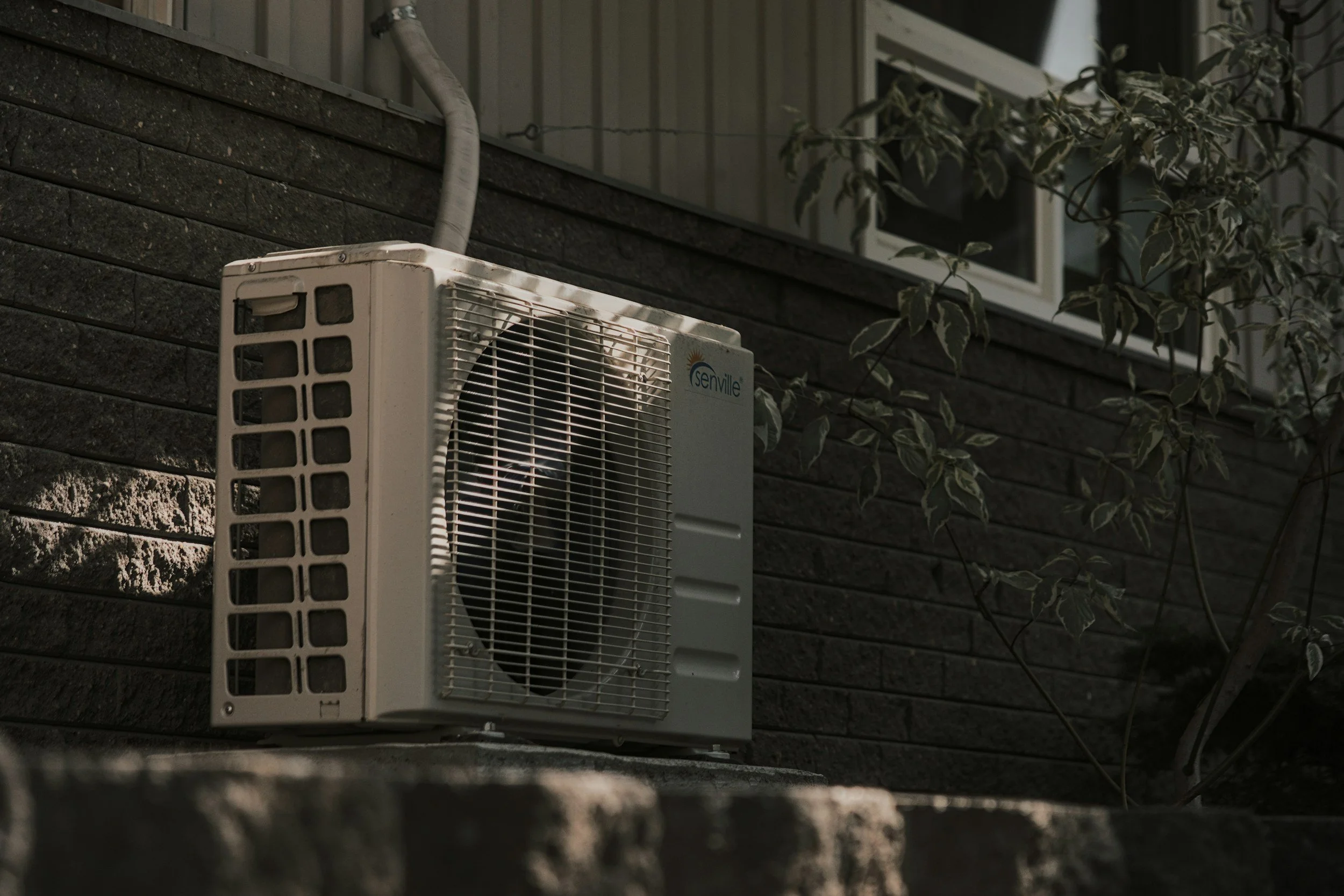
Dedicated Electrical Wiring for HVAC, Environmental Systems & Pumps
CurrentMax Electric provides licensed residential electrical wiring for HVAC units, radon mitigation fans, sump pumps, crawl space dehumidifiers, and well pumps across [Service City/Region]. Our certified electricians design and install code-compliant, dedicated circuits and disconnects directly into your home’s electrical panel, ensuring continuous protection, optimal mechanical performance, and complete moisture and radon mitigation safety.
Service Capabilities & Equipment We Install
We deliver clean, heavy-duty branch circuits and disconnects built to handle continuous mechanical run-times, inductive motor startup surges, and high-moisture operating environments:
HVAC & Heat Pump Disconnects and Whips: Fused and non-fused outdoor disconnect switches (Square D, Eaton, Siemens) paired with UV-resistant liquidtight flexible nonmetallic conduit (LFNC / seal-tight whips) and heavy-gauge copper conductors sized for compressor Minimum Circuit Ampacity (MCA).
Radon Mitigation Fan Power: Dedicated 15A/20A hardwired junction boxes or unswitched weather-resistant (WR) receptacles mounted adjacent to attic or exterior fan installations (compatible with RadonAway, Fantech, and Festa systems).
Dedicated Sump Pump Circuits & Battery Backup Integration: Single-outlet, non-shared 20A GFCI-protected circuits engineered to prevent nuisance tripping, including dedicated dual-circuit feeds for secondary backup pumps and integrated battery charging stations (Zoeller, Liberty Pumps, Wayne).
Crawl Space Dehumidifier Outlets: Commercial-grade 20A crawl space GFCI receptacles with in-use weatherproof bubble covers, positioned for continuous drainage and high-capacity dehumidifiers (AprilAire, Santa Fe, Quest).
Well Pump & Water Treatment Circuits: 230V double-pole dedicated breaker lines for deep-well submersible pumps, pressure switch wiring, and dedicated 120V feeds for backwash valves, UV water purifiers, and whole-house filtration systems.
Panel & Surge Protection Hardware: Industrial-grade Square D QO/Homeline, Eaton CH, and Siemens breakers, plus Type 2 Whole-Home Surge Protective Devices (SPDs) to protect costly ECM blower motors, heat pump inverter boards, and pump controllers.
Local Permitting & NEC Code Compliance
100% Permitted & Inspected Work — Protecting Your Home's Warranty & Insurance
Mechanical and environmental systems draw heavy continuous motor loads and operate in damp or wet locations. CurrentMax Electric strictly complies with the National Electrical Code (NEC) and pulls all required municipal permits:
-
Proper sizing of conductor ampacity based on Nameplate MCA, overcurrent protection based on Maximum Overcurrent Protection (MOCP), and placement of a readily accessible disconnecting switch within sight of the outdoor unit (NEC 440.14).
-
Mandated Class A GFCI protection for receptacles installed in crawl spaces, basements, outdoors, and equipment rooms housing water pumps and dehumidification gear.
-
Surge and inrush current calculations to prevent premature breaker degradation during motor start cycles on well pumps and heavy sump systems.
-
Proper burial depths for trenching to exterior radon fans, well heads, or detached heat pumps, utilizing direct-burial UF-B wire or schedule 40/80 PVC conduit with THWN-2 moisture-resistant conductors.
-
Eliminating shared circuits to prevent a sump pump or dehumidifier trip from knocking out critical basement or living area circuits.
Transparent Cost Factors: What Shapes Your Estimate
Every home’s layout and panel capacity differ. Here are the primary variables that impact your project estimate:
Distance & Run Complexity from Panel: The physical distance between your main breaker panel and the mechanical unit dictates wire gauge and footage. Running copper through unfinished basements is faster and more cost-effective than navigating finished drywall, attics, or exterior brick conduits.
Attic Access vs. Slab/Crawl Space Trenching: Installing wiring in accessible attics for radon fans is straightforward. Wiring that requires exterior trenching to an outbuilding or well head, coring through concrete foundations, or crawling through tight, encapsulated crawl spaces involves additional labor and protective conduit.
Panel Amperage & Physical Space: Adding a 30A–60A double-pole breaker for a multi-stage heat pump requires available panel space. If your panel is full or maxed on capacity, tandem breakers, a subpanel installation, or a 200A service upgrade may be necessary.
Disconnect Type & Disconnect Location: High-SEER heat pumps frequently require specific fused disconnects to satisfy manufacturer warranty requirements. Outdoor surface types (e.g., stone masonry vs. vinyl siding) can also affect mounting labor.
Step-by-Step Installation Process
Site Assessment & Load Calculation
Load calculation performed before any quote is finalized.
We inspect your main service panel, verify physical slot capacity, and run a load calculation to ensure your panel can safely handle the new continuous equipment draw. We confirm equipment nameplate specs (MCA, MOCP, voltage, phase) before pulling wire.
Permitting & Material Staging
Handling all regulatory paperwork
CurrentMax Electric manages the permit paperwork with your local building and safety department. We stage the exact specification-grade materials—commercial GFCI outlets, metal-clad or liquidtight conduit, correct wire gauge, and brand-matching breakers.
Precision Installation
Our licensed electricians run dedicated home runs back to the main panel, secure all wiring along structural members, mount weatherproof boxes and disconnects within code clearances, and make secure terminal connections torqued to manufacturer specifications.
Code Inspection & System Testing
Final sign-off and safety audit
We perform live voltage drop checks, ground-fault circuit tests, and verify motor startup amperage under load. We coordinate and host the final municipal electrical inspector, ensuring your permit is signed off and your manufacturer warranties remain fully protected.
Frequently Asked Questions
-
No. Both sump pumps and dehumidifiers draw significant inductive motor startup surges. Placing both on a shared circuit risks nuisance breaker trips during heavy rainstorms when both run simultaneously, which can lead to catastrophic basement flooding. NEC best practices and CurrentMax Electric standards require dedicated, unshared circuits for each critical appliance.
-
Most HVAC manufacturers specify a Maximum Overcurrent Protective Device (MOCP) on the outdoor unit's rating plate. If your main panel breaker exceeds that rating, or if the manufacturer warranty mandates local fuse protection, a fused disconnect containing time-delay fuses must be installed within sight of the condenser to satisfy both warranty requirements and NEC 440.14.
-
Radon fans are designed to run 24/7/365. Depending on whether your system vents through the attic or along an exterior wall, we install a dedicated, unswitched circuit and an outdoor weather-resistant (WR) GFCI receptacle or hardwired junction box right next to the fan housing. This guarantees no one accidentally turns off the system using a light switch.
-
Yes. Crawl spaces are classified by the National Electrical Code as damp locations, requiring GFCI protection. Furthermore, crawl space dehumidifiers often draw 8 to 15 amps continuously, necessitating a dedicated 20-amp commercial-grade receptacle with an in-use weatherproof cover to resist humidity, dirt, and moisture corrosion.
-
Yes. Modern variable-speed heat pumps, inverter compressors, and well pump pressure controllers utilize sensitive electronics and circuit boards that are highly vulnerable to voltage spikes. We strongly recommend pairing dedicated equipment circuits with a Type 2 Whole-Home Surge Protective Device (SPD) installed directly inside your primary breaker panel.